PLATFORM STABILIZATION · QA AUDIT · AUTOMOTIVE TECH
Icanio executed an automotive marketplace optimization for a high-traffic car-buying platform originally built by an external vendor, resolving critical stability and transparency issues through rigorous QA and performance-driven feature enhancements.

Quick Answer
What Does Automotive Marketplace Optimization Involve?
Automotive marketplace optimization is a platform stabilization audit process that resolves critical stability, transparency, and scalability issues in a car-buying platform through full-cycle QA, real-time agent tracking, and backend performance improvements. ICANIO executed this automotive marketplace optimization for a high-traffic platform originally built by an external vendor, achieving 95% platform stability, 100% data visibility into agent performance, and a 40% increase in customer engagement.
Executive Summary
Turning a Fragile Third-Party Build Into a Stable Marketplace
A platform built by an external vendor might launch on schedule, but it becomes a genuine liability once critical stability and transparency issues surface at scale. ICANIO’s partner was running exactly this kind of platform: critical functional and performance bottlenecks causing system lag, poor visibility into agent activities and sales data for management, a disjointed customer experience leading to high bounce rates, and a lack of accountability from missing commission and sales tracking.
ICANIO addressed this with a Strategic Platform Stabilization and Audit rather than a ground-up rebuild. The objective was to run a full-cycle QA process to resolve bugs and gaps, implement real-time tracking for agent activities and commissions, refine the vehicle purchase flow with a modern UI/UX, and build reporting tools that give leadership sales insight, all backed by a Node.js backend upgrade for responsiveness. The result was 95% platform stability, 100% data visibility for leadership, and a 40% increase in customer engagement.
Every one of those outcomes traces back to the same design decision: auditing and stabilizing the existing platform systematically instead of patching symptoms individually, so reliability, transparency, and engagement improved together rather than being addressed as separate fixes.
“A car-buying platform does not lose a customer’s trust because of one bad experience, it loses it the moment the platform itself feels unstable.”
The Challenge
Five Failures of a Third-Party Automotive Marketplace Build
A digital automotive marketplace, initially built by an external vendor, struggled with critical stability and transparency issues. The platform failed to meet the needs of agents and customers, hindering business growth.
Critical Performance Bottlenecks
Critical functional and performance bottlenecks causing system lag left the platform struggling under its own traffic.
Visibility Gaps This Automotive Marketplace Optimization Fixed
Poor visibility into agent activities and sales data for management left leadership unable to see how the platform was actually performing.
Experience Gaps Before This Automotive Marketplace Optimization
A disjointed customer experience leading to high bounce rates meant prospective buyers were leaving before ever completing a purchase.
Accountability Gaps This Automotive Marketplace Optimization Closed
A lack of accountability due to missing commission and sales tracking left agents and management without a trusted record of activity.
Unscalable Technical Debt
Technical debt from the initial build made the platform unscalable, with inconsistent user journeys for buyers, agents, and stakeholders compounding the problem.
Automotive Marketplace Optimization Solutions Provided
A Six-Part Strategic Platform Stabilization and Audit
Icanio Technologies executed a Strategic Platform Stabilization & Audit identifying core failures and implementing high-impact usability and performance fixes. The solutions included:
QA Process in This Automotive Marketplace Optimization
Conducted a full-cycle QA process to resolve bugs and gaps, closing the stability issues that had been causing system lag.
Real-Time Agent and Commission Tracking
Implemented real-time tracking for agent activities and commissions, replacing the missing accountability that had eroded trust.
Purchase Flow in This Automotive Marketplace Optimization
Refined the vehicle purchase flow with a modern UI/UX, directly targeting the disjointed experience that was driving high bounce rates.
Prioritized Reliability Recommendations
Delivered prioritized recommendations to ensure long-term reliability, giving the client a roadmap beyond the immediate fixes.
Reporting Tools in This Automotive Marketplace Optimization
Built reporting tools to empower leadership with sales insights, closing the visibility gap into agent and platform performance.
Backend Performance in This Automotive Marketplace Optimization
Leveraged Node.js backend performance improvements to enhance responsiveness and speed, giving the platform the technical foundation to scale.
Business Outcomes
Measurable Results Across Stability, Visibility, and Engagement
This automotive marketplace optimization delivered outcomes across every dimension of the platform’s original reliability and trust gap, converting a fragile, opaque third-party build into a stable, transparent, and scalable car-buying platform.
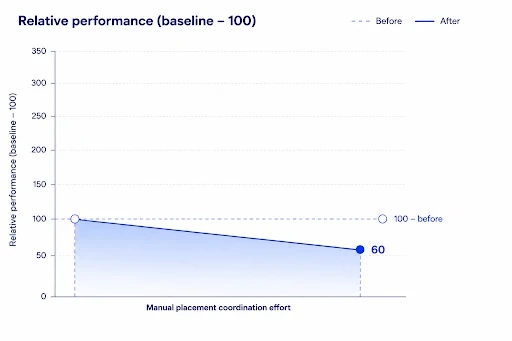
Automotive marketplace optimization outcomes: 95% platform stability, 40% higher buyer engagement and full visibility into agent performance and sales tracking.
95%Platform Stability
Achieved through rigorous QA and functional bug resolution.
100%Data Visibility
Into agent performance and sales tracking for leadership.
40%Higher Engagement
Via an enhanced car-buying journey building customer confidence.
Zero Technical Debt
By implementing a prioritized roadmap of performance improvements.
Transparent Commission
Ensuring accountability and trust for all platform agents.
Scalable Backend Architecture
Reducing maintenance overhead and preparing for future growth.
Key learnings
What This Engagement Proves for Inherited Third-Party Builds
This Automotive Marketplace Optimization Audits Before Rebuilding
Not every unstable platform needs a ground-up rebuild. A full-cycle QA process that systematically identifies bugs and gaps let this automotive marketplace optimization fix the actual failures instead of starting over from scratch.
Transparency and Stability Reinforce Each Other
Missing commission and sales tracking wasn’t just a trust problem, it was a symptom of the same underlying instability causing system lag. Fixing real-time agent tracking and platform stability together is what delivered both 95% stability and transparent commission accounting.
A Refined Purchase Flow Only Works on a Stable Backend
Refining the vehicle purchase flow’s UI/UX would not have reduced bounce rates on its own if the backend was still unreliable. Pairing the UX refinement with a Node.js backend upgrade is what let the 40% engagement increase actually hold.
Conclusion
From Fragile Third-Party Build to a Stable Automotive Marketplace
A platform built by an external vendor might launch successfully, but for a high-traffic automotive marketplace, unresolved stability and transparency issues had become a real threat to the business. This engagement demonstrates that a single automotive marketplace optimization can resolve reliability, visibility, and engagement gaps within one structured programme rather than three separate initiatives.
By running a full-cycle QA process, implementing real-time agent and commission tracking, refining the vehicle purchase flow, and upgrading the Node.js backend, ICANIO helped this partner reach 95% platform stability, 100% data visibility for leadership, and a 40% increase in customer engagement. The prioritized reliability roadmap, transparent commission tracking, and scalable backend delivered through this engagement are the foundation every future feature this platform adds will run on.
Related Resources
This automotive marketplace optimization reflects ICANIO's software development and quality engineering work. Our team stabilizes inherited platforms through application development services. Our cloud and DevOps engineering practice supports platform reliability. Automotive clients can explore our transportation and logistics solutions. For related reading, see QA automation and time-to-market. To plan a similar audit, contact ICANIO.
- Application Development Services
- Transportation and Logistics Solutions
- Enterprise Branding Website: 40% Engagement
- Proven Online Food Ordering Platform in 2026
- Quality Engineering vs Traditional QA
References
- Node.js Documentation: official docs for the Node.js runtime.
- Software quality assurance: Wikipedia overview of QA practices.
- Technical debt: Wikipedia overview of the cost of shortcuts in code.
- Bounce rate: Wikipedia overview of the web analytics metric.
Frequently asked questions
Common Questions About This Automotive Marketplace Optimization
What is automotive marketplace optimization and when is it needed?
Automotive marketplace optimization is a strategic audit and stabilization process that resolves stability, transparency, and scalability issues in an existing car-buying platform. It's needed after a third-party build when performance bottlenecks, technical debt, and missing tracking have accumulated to the point where they threaten business growth.
How does a full-cycle QA process resolve system lag?
A full-cycle QA process systematically identifies bugs and performance gaps across the platform, resolving the root causes of system lag rather than patching individual symptoms as they surface.
Why does real-time agent and commission tracking matter?
Real-time tracking for agent activities and commissions replaces the missing accountability that erodes trust between agents, management, and the platform itself, giving everyone a shared, trusted record of activity.
How did refining the vehicle purchase flow reduce bounce rates?
Refining the vehicle purchase flow with a modern UI/UX addressed the disjointed customer experience that was causing high bounce rates, giving buyers a clearer path from browsing to purchase.
What role did Node.js play in improving backend performance?
Leveraging Node.js enhanced backend responsiveness and speed, giving the platform the technical foundation needed to support the refined purchase flow and growing traffic without reintroducing the original lag issues.
How does this optimization prepare the platform for future growth?
A scalable backend architecture and a prioritized roadmap of performance improvements reduce maintenance overhead and technical debt, positioning the platform to add features and handle growth without repeating the same stability issues.