HEALTHCARE OCR · ABHA INTEGRATION · MEDICAL RECORDS AI
This healthcare record digitization platform helps Indian hospitals convert paper patient records into structured digital data using AI-powered OCR.
Quick Answer
What Is Healthcare Record Digitization?
Healthcare record digitization converts paper-based patient records into structured digital data using AI-powered OCR, enabling integration with hospital systems and national platforms like ABHA. ICANIO built this healthcare record digitization platform for Indian hospitals, cutting manual data entry by 60% and improving patient record accessibility fourfold.
Executive Summary
Turning Paper Patient Records Into Structured, Connected Data
Healthcare providers in India struggled to manage growing volumes of paper-based patient records, creating barriers to efficient access, organization, and digital integration with national health platforms like ABHA. ICANIO’s partner was facing exactly that gap: handwritten patient records that made critical information difficult to read accurately, paper-based files that slowed retrieval and processing, disconnected records that prevented integration with modern digital healthcare systems, and manual documentation that increased the risk of errors and missing patient data.
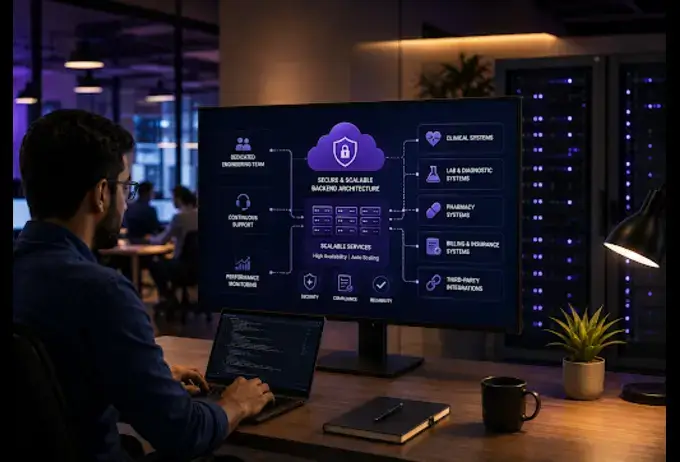
ICANIO addressed this by building an AI-powered Healthcare Record Digitization Platform rather than another paper-filing improvement. The objective was to let hospital staff scan or upload medical documents for automated data extraction, use OCR to convert handwritten records into structured digital information, support both Allopathy and Ayurveda documentation formats, integrate with hospital HMS and EHR platforms, connect securely with ABHA, and let staff review, correct, and export clean digital patient records before they reach downstream systems.
The result was 50% faster medical record digitization and a 60% reduction in manual data entry workload, with patient record accessibility improving fourfold across hospital systems, backed by automated OCR workflows and seamless ABHA interoperability.
“A handwritten chart that only one doctor can read is not a medical record, it is a liability waiting for a shift change.”
The Challenge
Five Barriers to Digitizing Indian Hospital Records
Healthcare providers in India struggled to manage growing volumes of paper-based patient records, creating barriers to efficient access, organization, and digital integration with national health platforms like ABHA.
The Healthcare Record Digitization Gap
Handwritten patient records made critical information difficult to read accurately, risking misinterpretation at the point of care.
Paper Files Slowed Retrieval and Processing
Paper-based files slowed retrieval and processing of patient health information, adding delay to routine clinical workflows.
Disconnected From Digital Systems and ABHA
Disconnected records prevented integration with modern digital healthcare systems, and limited interoperability with national digital health platforms like ABHA compounded the gap.
Manual Documentation Risked Errors and Missing Data
Manual documentation increased the risk of errors and missing patient data, a risk that compounds in a clinical setting.
Why This Healthcare Record Digitization Platform Was Needed
Inefficient record management reduced overall hospital workflow productivity significantly, slowing staff who needed fast access to patient history.
Healthcare Record Digitization Solutions Provided
A Six-Part Healthcare Record Digitization Platform
Icanio Technologies developed an AI-powered Healthcare Record Digitization Platform for Indian hospitals, enabling paper records conversion into structured digital data while ensuring seamless integration with hospital and national systems. The solutions included:
The Healthcare Record Digitization Core
Staff scan or upload medical documents for automated patient data extraction, replacing manual re-keying with a single capture step.
OCR for Handwritten Records
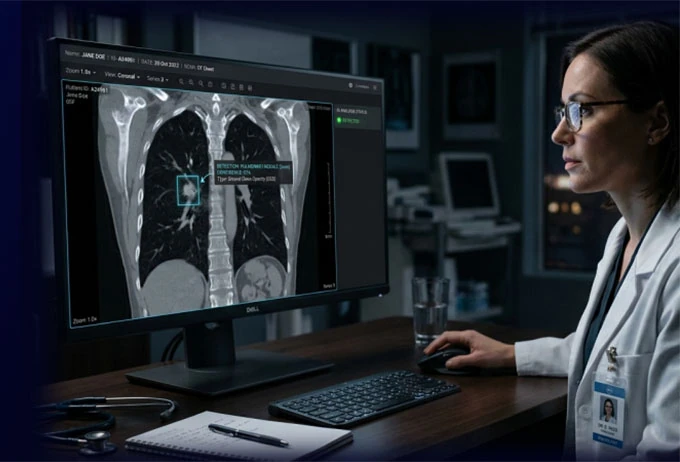
OCR technology converts handwritten records into structured digital information, turning illegible notes into usable data.
Allopathy and Ayurveda Format Support
The platform supports both Allopathy and Ayurveda medical documentation formats seamlessly, matching how Indian hospitals actually operate.
HMS and EHR System Integration
The platform integrates with hospital systems including HMS and EHR platforms, so digitized records flow into existing infrastructure.
Secure ABHA Connectivity
The platform connects securely with national digital health platforms like ABHA, closing the interoperability gap hospitals previously faced.
This Healthcare Record Digitization Platform's Review Step
Users review, correct, and export clean digital patient records, keeping a human check on OCR output before it reaches downstream systems.
Business Outcomes
Measurable Results Across Speed, Accuracy, and Integration
This healthcare record digitization platform delivered outcomes across every dimension of the hospitals’ original paper-records problem, converting illegible, siloed documentation into fast, structured, connected patient data.
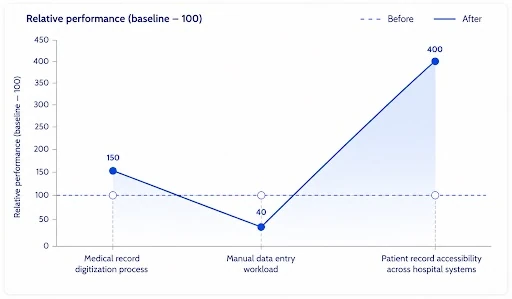
Healthcare record digitization results: 50% faster digitization and 60% less manual data entry.
50%Faster
Medical record digitization process
60%Reduction
Manual data entry workload
4xImproved
Patient record accessibility
Automated Workflows
AI-powered OCR data extraction
Seamless Integration
ABHA and hospital system interoperability
Secure Data Management
Centralized digital medical record storage
Key learnings
What This Engagement Proves for Healthcare Digitization in India
OCR Alone Isn't Enough Without Human Review
Trusting OCR output blindly would have introduced new errors into clinical data. Letting staff review, correct, and export clean digital patient records is what let automation speed coexist with the accuracy healthcare data demands.
Supporting Two Medical Systems Was Non-Negotiable
Building OCR for a single documentation format would have left Ayurveda records unsolved. Supporting both Allopathy and Ayurveda documentation formats from day one is what made the platform usable across how Indian hospitals actually operate.
Interoperability With ABHA Multiplies the Value of Digitization
Digitizing paper records would have solved access on its own, but connecting securely to ABHA and hospital HMS and EHR systems is what let digitized data actually participate in the national digital health ecosystem instead of staying siloed in one hospital.
Conclusion
From Paper Charts to a Connected Digital Record
Paper-based patient records might have been workable for a single small clinic, but for hospitals managing growing volumes of documentation across Allopathy and Ayurveda formats, they had become a real barrier to access and integration. This engagement demonstrates that a single healthcare record digitization platform can resolve legibility, integration, and productivity gaps within one structured programme rather than three separate initiatives.
By using AI-powered OCR medical data extraction, supporting Allopathy Ayurveda documentation, and connecting through hospital HMS EHR integration and secure ABHA connectivity, ICANIO helped these hospitals cut manual data entry by 60% and improve patient record accessibility fourfold. The centralized digital storage, automated OCR workflows, and ABHA digital health integration delivered through this engagement are the foundation every future patient record this platform digitizes will run on.
Related Resources
This healthcare record digitization platform reflects ICANIO's applied artificial intelligence work. We also offer data engineering for records programmes. Our team builds OCR and records products through data and artificial intelligence services. Hospitals can explore our healthcare and life sciences solutions. These projects pair software development with automation of clinical paperwork. More examples appear in our software development case studies. To discuss a similar platform, contact ICANIO.
- Data and Artificial Intelligence Services
- Healthcare and Life Sciences Solutions
- Digital Healthcare Platform Cuts Admin 40%
- Secure Electronic Health Records Software 2026
References
- Optical character recognition: Wikipedia overview of converting scanned text into machine-readable data.
- Handwriting recognition: Wikipedia overview of reading handwritten input with software.
- Electronic health record: Wikipedia overview of digital patient record systems.
- Ayushman Bharat Digital Mission: Official site of India's national digital health mission behind ABHA.
Frequently asked questions
Common Questions About This Healthcare Record Digitization Platform
What is healthcare record digitization for Indian hospitals?
Healthcare record digitization converts paper-based patient records into structured digital data using AI-powered OCR medical data extraction, which matters for Indian hospitals managing growing volumes of handwritten documentation.
How does OCR handle handwritten medical records accurately?
OCR technology converts handwritten records into structured digital information, and a human review step lets staff correct any misreads before clean data is exported downstream.
Why support both Allopathy and Ayurveda documentation?
Allopathy Ayurveda documentation formats both needed support because Indian hospitals actively use both medical systems, and a platform built for only one would leave the other's records undigitized.
What does ABHA digital health integration actually connect to?
ABHA digital health integration connects digitized patient records securely to India's national digital health platform, closing the interoperability gap that previously kept hospital data siloed.
How does HMS EHR integration fit the digitization workflow?
Hospital HMS EHR integration means digitized records flow directly into existing hospital management and electronic health record systems, instead of staying disconnected in a separate digitization tool.
How much faster is record access after digitization?
This healthcare record digitization platform improved patient record accessibility fourfold and cut manual data entry workload by 60% compared to paper-based processes.